
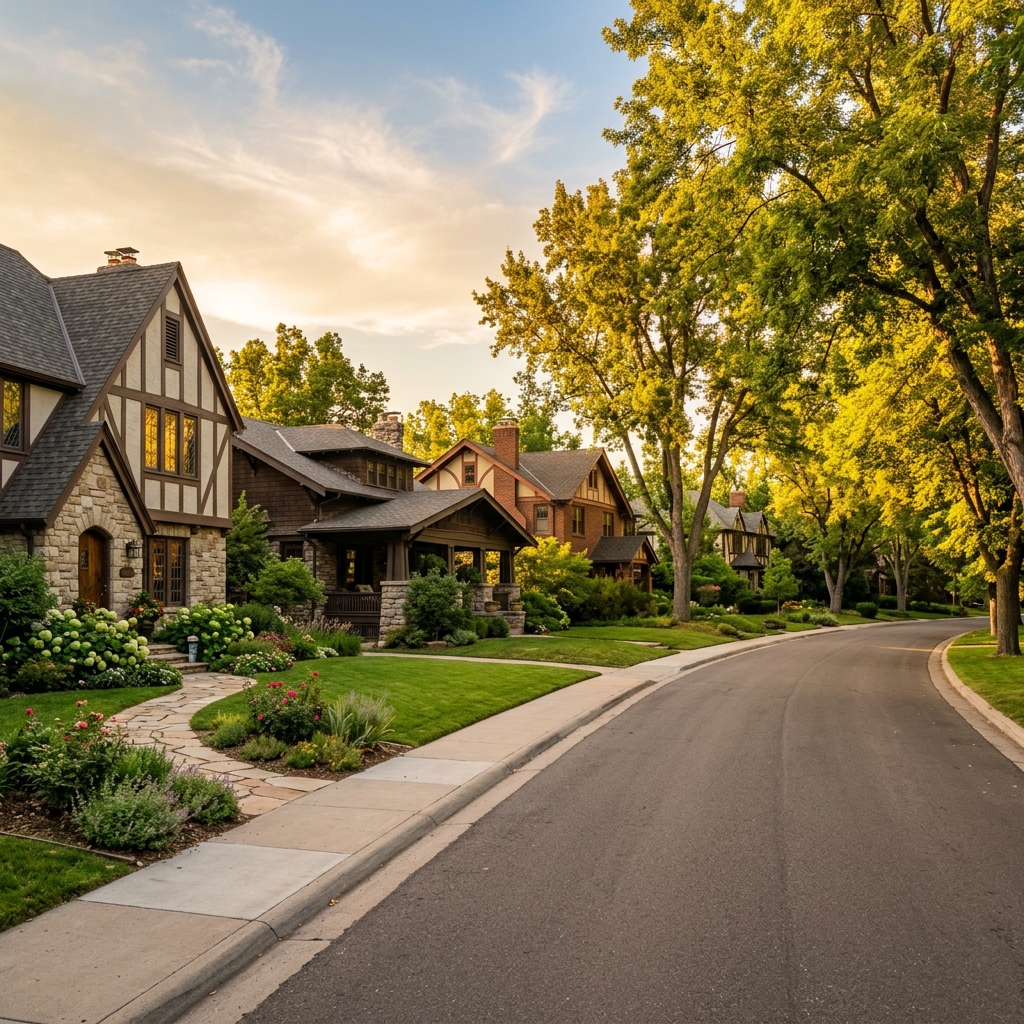
Welcome to Denver
Denver continues to attract newcomers from across the country, drawn by 300+ days of sunshine, a thriving job market, world-class outdoor recreation, and a culture that balances ambition with quality of life. If you are considering a move to the Mile High City, here is what you need to know.
Cost of Living
Denver cost of living sits roughly 10-15% above the national average, driven primarily by housing costs. However, compared to coastal cities like San Francisco, Seattle, or New York, Denver offers significantly more space and value per dollar. Colorado has no inheritance tax and a flat state income tax of 4.4%. Groceries, utilities, and transportation costs are generally in line with national averages.
The Job Market
Denver economy is impressively diversified. Major employers span technology (Google, Amazon, Oracle), aerospace and defense (Lockheed Martin, Raytheon), healthcare (UCHealth, Centura Health), energy, financial services, and a growing startup ecosystem. The unemployment rate consistently runs below the national average.
Weather and Outdoor Life
Despite the stereotype, Denver is not buried in snow. The city averages 300+ sunny days per year, and winter snowfall in the city typically melts within 24-48 hours. The mountains, just 60-90 minutes west, offer world-class skiing, hiking, camping, and mountain biking. In the city, an extensive trail network along the Platte River, Cherry Creek, and through city parks makes outdoor recreation a daily reality.
Neighborhoods at a Glance
- Downtown / LoDo: Urban walkability, lofts, professional proximity
- Highlands / LoHi: Trendy dining, young professional energy, walkable
- Washington Park: Family-friendly, park-centric, established charm
- Cherry Creek: Upscale shopping, high-end homes, polished lifestyle
- RiNo Arts District: Creative community, converted warehouses, breweries
- Central Park / Stapleton: New construction, master-planned, family-oriented
Getting Around
Denver is largely car-dependent, though the RTD light rail system connects suburbs to downtown and DIA. Biking infrastructure has expanded significantly, and many central neighborhoods are highly walkable. DIA offers direct flights to most major US cities and select international destinations.
Denver is not just a place to live, it is a place that shapes how you live. The combination of opportunity, culture, and outdoor access is genuinely hard to match.
Frequently Asked Questions
Related Articles
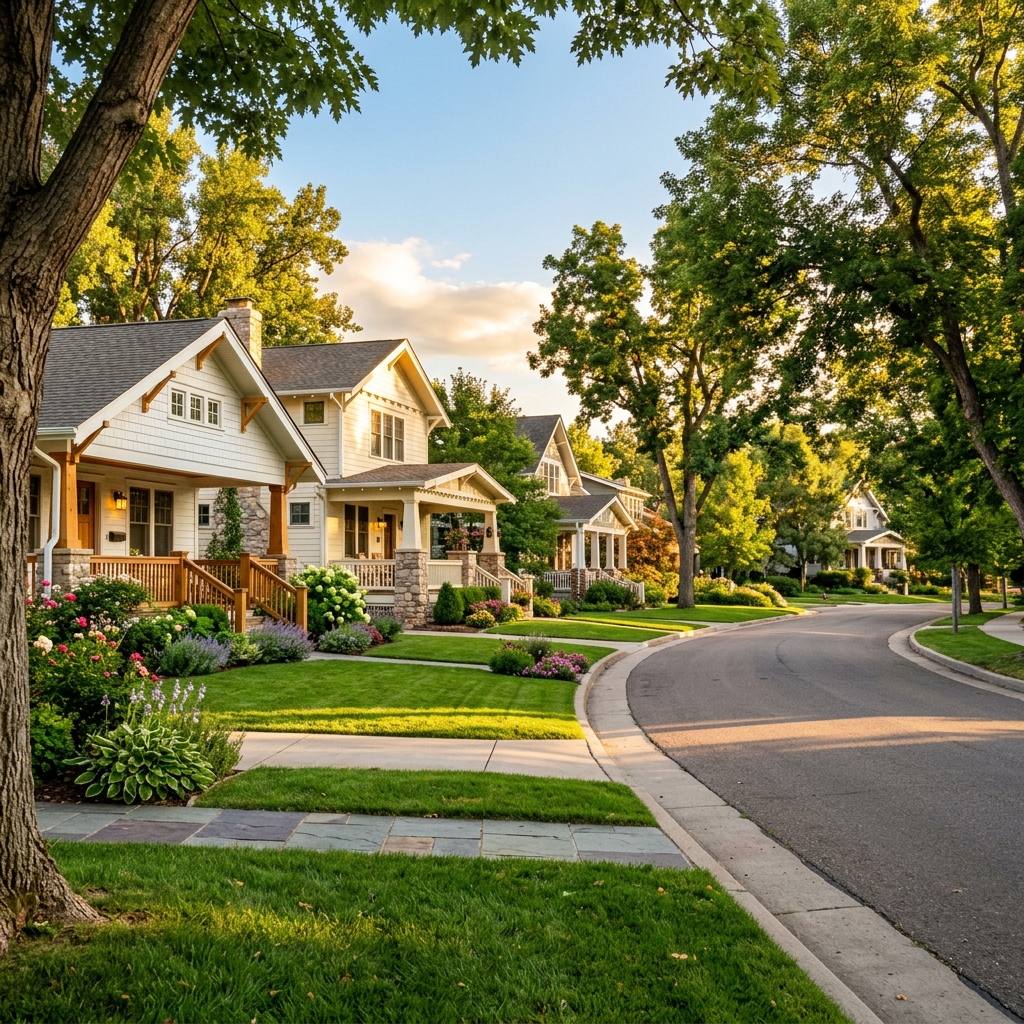
Best Neighborhoods in Denver for Families in 2026
Washington Park, Park Hill, Highlands, and more, where character meets community.
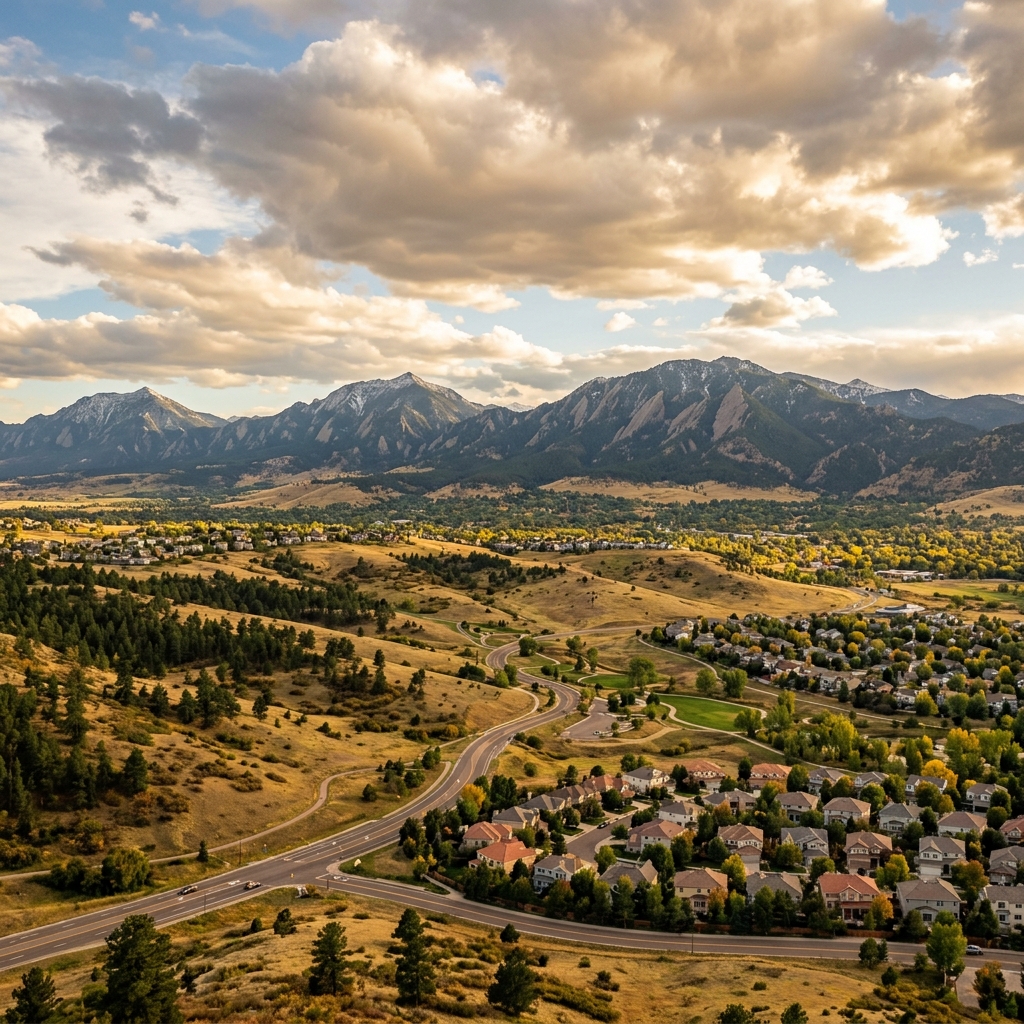
Denver vs Boulder: Which Colorado City Is Right for You?
Lifestyle, cost of living, commute, and real estate market compared side by side.

First-Time Home Buyer Guide: Denver Colorado
Programs, neighborhoods, process, and expert tips for your first purchase.
Have questions about Denver real estate? Let's talk.
Contact Derrick →