
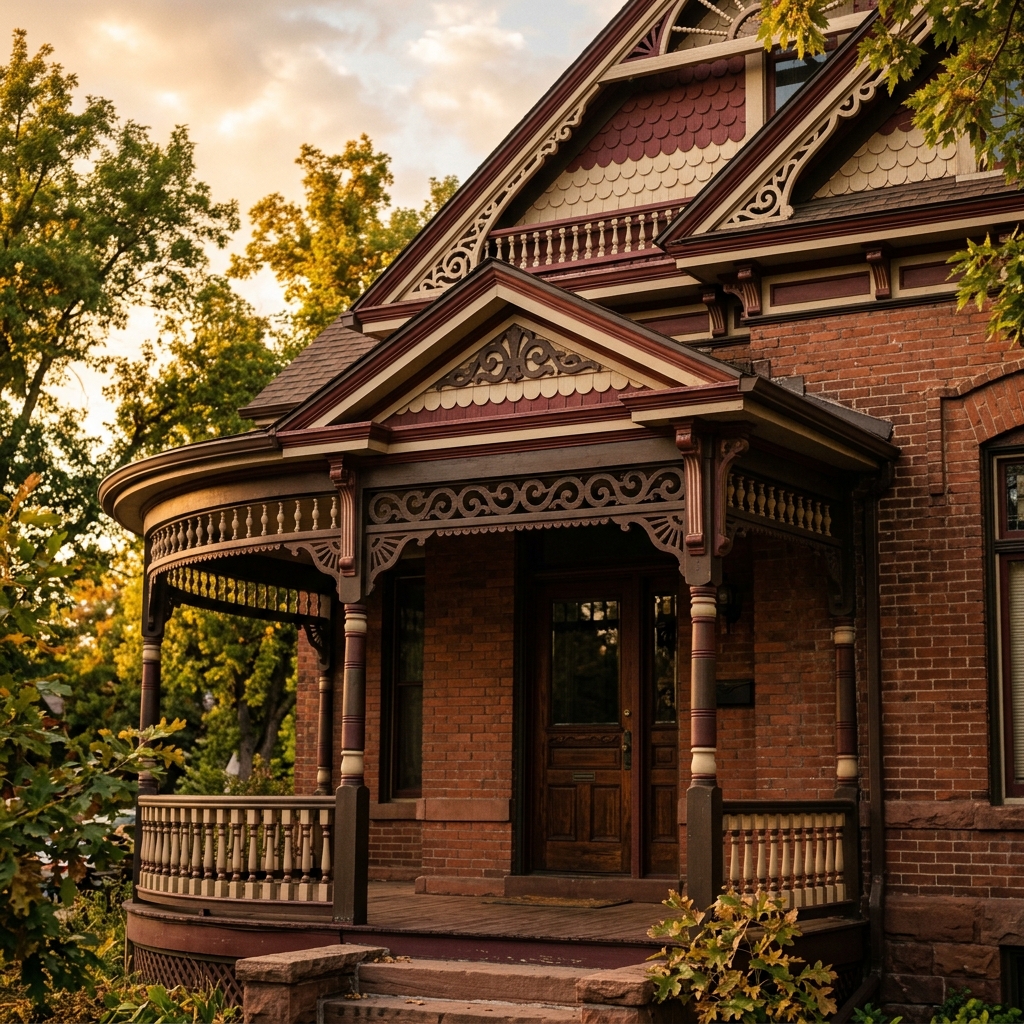
The Appeal of Denver Historic Architecture
Denver historic neighborhoods contain some of the most architecturally rich housing stock in the Mountain West. From Victorian-era homes in Curtis Park to Craftsman bungalows in Washington Park, these properties offer character, craftsmanship, and a sense of place that newer construction simply cannot replicate.
Denver Architectural Styles
- Queen Anne Victorian (1880s-1900s): Found in Curtis Park, Five Points, and Capitol Hill. Ornate detailing, wraparound porches, turrets, and elaborate woodwork.
- Denver Square (1900s-1920s): A uniquely Denver form, boxy two-story homes with large front porches. Common in Park Hill, Highlands, and Berkeley.
- Craftsman Bungalow (1910s-1930s): Low-pitched roofs, built-in cabinetry, exposed rafters. Prevalent in Washington Park, Platt Park, and Baker.
- Tudor Revival (1920s-1940s): Steep roof lines, decorative half-timbering, and arched doorways. Found in Hilltop, Mayfair, and Bonnie Brae.
- Mid-Century Modern (1950s-1970s): Clean lines, large windows, open floor plans. Scattered throughout Arapahoe Acres, Harvey Park, and parts of Lakewood.
What to Watch For
Historic homes require a different evaluation approach than newer construction. Key considerations include:
- Foundation condition, older homes may have settling or moisture issues
- Electrical systems, knob-and-tube wiring requires updating
- Plumbing, galvanized pipes may need replacement
- Lead paint and asbestos considerations
- Energy efficiency improvements (insulation, windows)
- Historic district restrictions on exterior modifications
Historic Districts and Designations
Denver has over 50 designated historic districts and 300+ individual landmarks. Properties within historic districts may be subject to design review for exterior changes, which protects neighborhood character but can limit renovation flexibility. Understanding these restrictions before purchasing is essential.
Historic homes are not just structures, they are stories. The right one connects you to Denver past while becoming part of your future.
Frequently Asked Questions
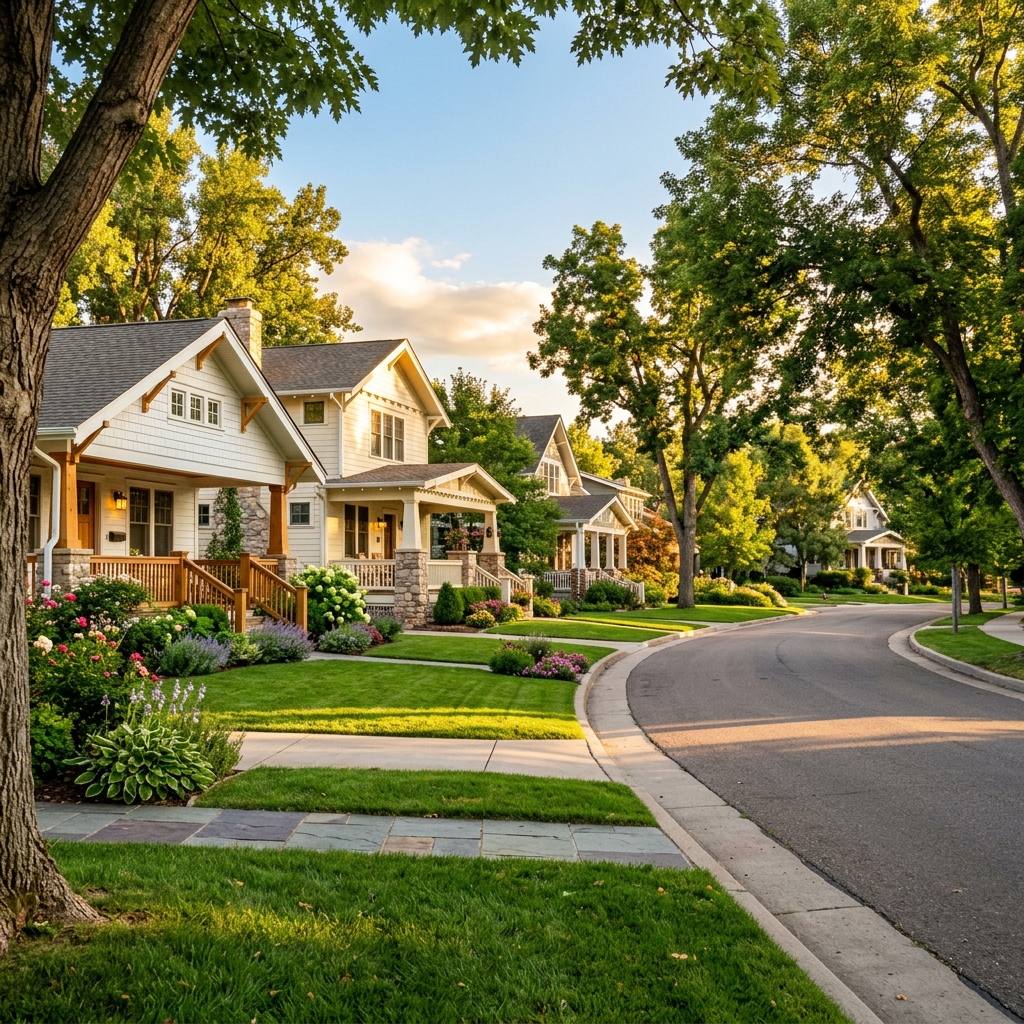
Best Neighborhoods in Denver for Families in 2026
Washington Park, Park Hill, Highlands, and more, where character meets community.
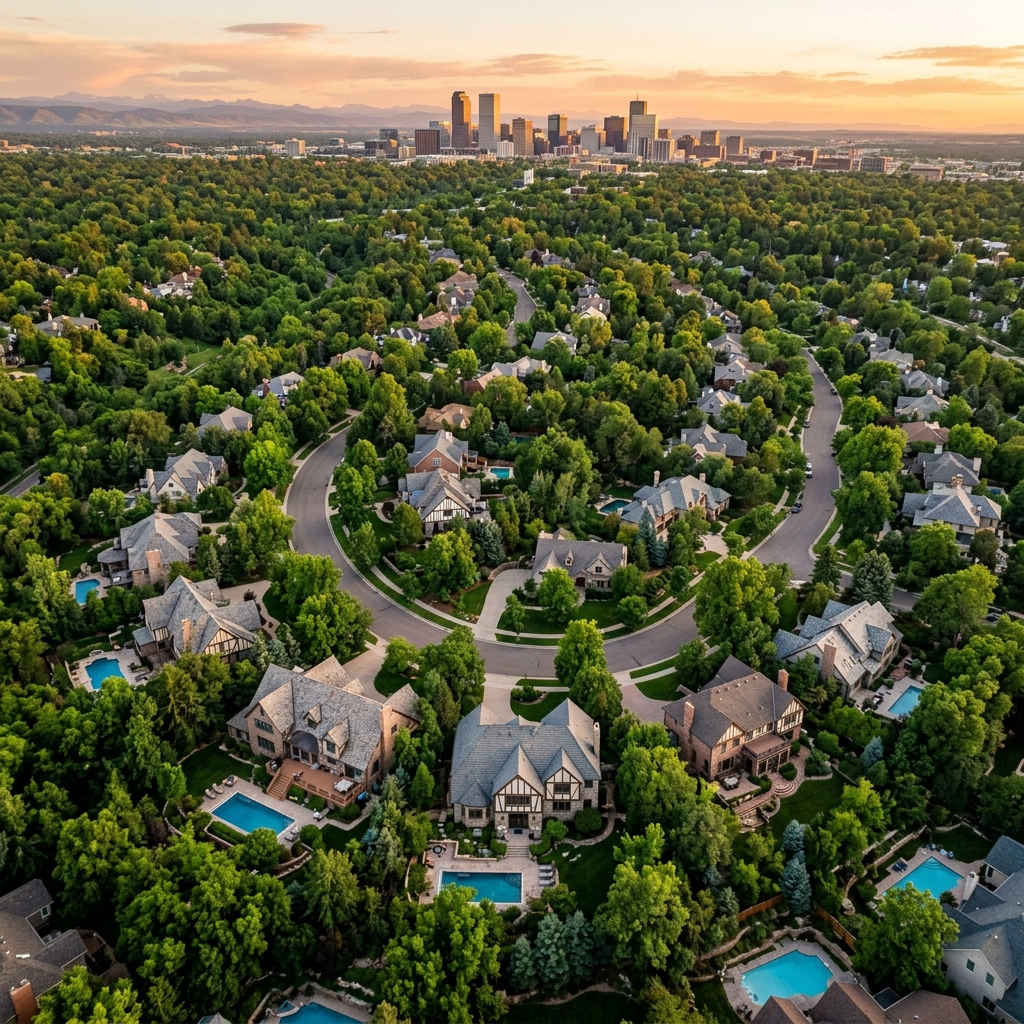
Top 5 Denver Neighborhoods for Long-Term Property Value
Denver neighborhoods with historically strong market fundamentals and long-term buyer demand.
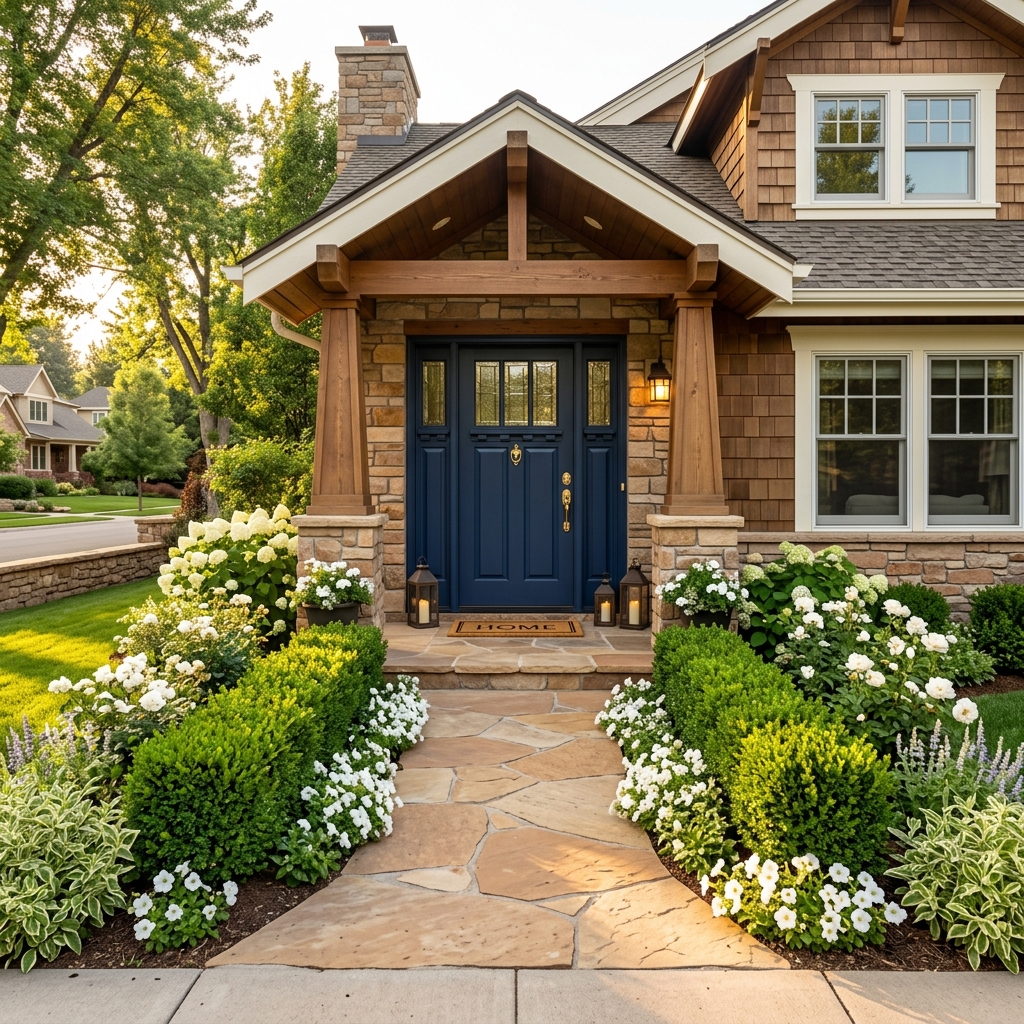
First-Time Home Buyer Guide: Denver Colorado
Programs, neighborhoods, process, and expert tips for your first purchase.
Have questions about Denver real estate? Let's talk.
Contact Derrick →